Speak fluent HVAC
HVAC Glossary: Terms Every Brentwood Homeowner Should Know
SEER2, tonnage, MERV, static pressure: contractors use a lot of shorthand, and it usually shows up right when you're deciding how to spend your money. Here's what the words on your quote actually mean, explained the way we'd explain them at your kitchen table.
Plain talk, honest answers, Mon–Fri 7AM–7PM, Sat 8AM–4PM, 24/7 emergency.
 Brentwood’s Heating & Air Pros
Efficiency Ratings
The numbers on the yellow energy sticker. They tell you how much cooling or heating you get for each dollar of electricity or gas.
- SEER2
- Seasonal Energy Efficiency Ratio 2. Cooling efficiency across a typical season. Higher is better: the current Southeast minimum for new systems is 14.3 SEER2, and premium models top 20.
- HSPF2
- Heating Seasonal Performance Factor 2. The heating-side cousin of SEER2, used for heat pumps. A higher HSPF2 means cheaper winter heating for the same comfort.
- AFUE
- Annual Fuel Utilization Efficiency. How efficiently a furnace or boiler converts fuel into heat, expressed as a percentage. An 80% AFUE furnace wastes about 20 cents of every fuel dollar; a 96% model wastes only 4.
Sizing and Capacity
The single most misunderstood part of a new-system quote. Right-sized equipment runs longer, dehumidifies better, and lasts longer than oversized equipment.
- Tonnage
- Cooling capacity, not weight. One ton equals 12,000 BTUs of cooling per hour. Most Brentwood homes land between 2.5 and 5 tons, and large multi-level homes often use two systems or zones instead of one big unit.
- BTU
- British Thermal Unit. The basic unit of heat energy. Ratings in BTUs per hour tell you how much heat a system can move, which is what actually keeps your rooms comfortable.
- Manual J (load calculation)
- The industry-standard method for sizing equipment. It factors in square footage, insulation, windows, orientation, and our Tennessee climate. Any quote that skips it is a guess. Always ask to see it.
Inside Your System
The parts our technicians touch on most visits. Knowing these names helps you follow along when we explain what failed.
- Compressor
- The heart of the cooling system. It pressurizes refrigerant so it can absorb indoor heat and release it outside. On an older unit, a failed compressor often tips the repair-vs-replace decision.
- Evaporator coil
- The indoor coil that absorbs heat from your home's air. When it's dirty or iced over, cooling drops fast. Keeping filters changed is the best way to protect it.
- Condenser
- The outdoor unit (technically the outdoor coil). It releases the heat your system pulled from inside. Keep shrubs and mulch at least two feet back so it can breathe.
- Air handler
- The indoor box with the blower fan that pushes conditioned air through your ducts. In many Brentwood attics it sits above the insulation, so a clogged condensate line can mean ceiling stains.
- Heat exchanger
- The metal chamber in a gas furnace where combustion heat transfers to your home's air. A cracked heat exchanger can leak carbon monoxide, which is why furnace inspections include checking it.
- TXV (thermostatic expansion valve)
- A small metering device that controls how much refrigerant enters the evaporator coil. When it sticks or fails, cooling gets erratic and the coil may freeze.
- Condensate drain
- The pipe that carries water your AC pulls from the air. Middle Tennessee humidity means these lines work hard; when they clog, the overflow switch shuts the system down, or worse, water finds your ceiling.
Airflow and Air Quality
Comfort isn't just temperature. These terms explain how air moves through your home and how clean it is when it gets to you.
- MERV rating
- Minimum Efficiency Reporting Value. A 1–16 scale for how well a filter traps particles. Higher MERV catches pollen, dust, and mold spores, but too restrictive a filter can choke airflow. Most Brentwood homes do well with MERV 8–13.
- Static pressure
- The resistance your blower fights to push air through ducts and filters. High static pressure means the system is straining, which we measure during tune-ups to spot duct problems early.
- Ductwork
- The sheet-metal or flexible channels that carry air room to room. Leaky ducts can waste 20–30% of your heating and cooling into the attic or crawlspace before it ever reaches a vent.
- Filter cabinet
- A dedicated housing in the duct system that holds a thicker, higher-quality filter than a standard 1-inch slot. It's the easiest upgrade for homes with allergy sufferers.
- Zoning
- Dampers and controls that split your home into separately controlled areas. Popular in Brentwood's larger two-story homes, where upstairs and downstairs have very different cooling needs.
- IAQ (indoor air quality)
- A catch-all for the health of the air inside your home: particles, humidity, ventilation, and pollutants. Filtration, humidity control, and fresh-air ventilation are the three main levers.
Controls and Comfort
How your system knows what to do, and the equipment types you'll choose between.
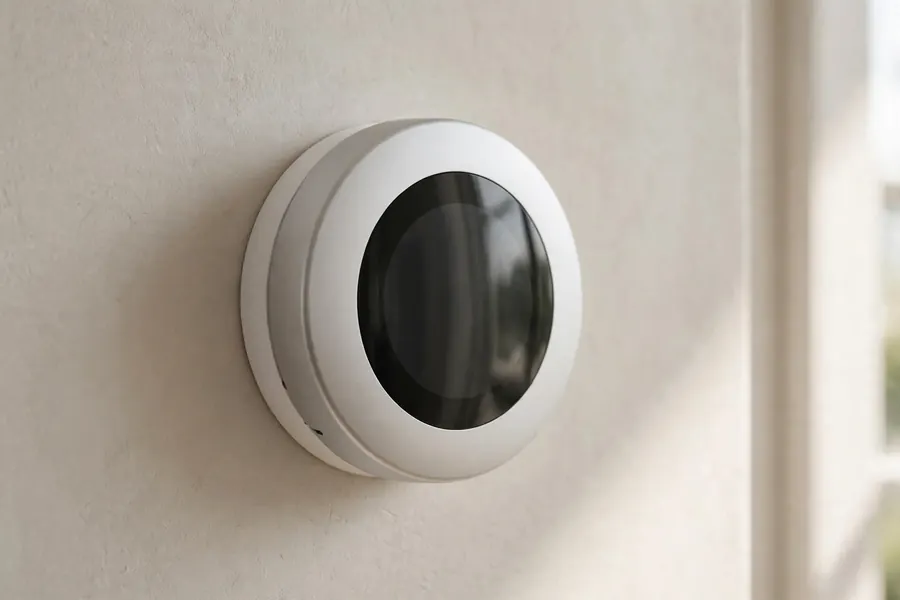
- Thermostat
- The control on your wall that calls for heating or cooling. Placement matters: one in direct sun or near a draft reads the wrong temperature and short-cycles your system.
- Variable-speed
- Equipment that can run at multiple speeds instead of just on or off. Longer, gentler run cycles mean steadier temperatures, better humidity removal, and quieter operation.
- Heat pump
- A system that moves heat rather than making it: it extracts warmth from outdoor air in winter and dumps indoor heat outside in summer. One system handles year-round comfort, and Tennessee's mild winters are ideal for it.
- Refrigerant
- The fluid that carries heat in and out of your home as it cycles between liquid and gas. It's not consumed during normal operation, so low refrigerant always means a leak somewhere.
Your Questions, Answered
What does SEER2 mean on an air conditioner?
SEER2 stands for Seasonal Energy Efficiency Ratio 2, and it measures how efficiently your AC or heat pump cools over a full season. A higher SEER2 means lower summer electric bills. The current Southeast minimum for new equipment is 14.3 SEER2, while high-efficiency models reach 20 or more.
What is HVAC tonnage? Does it mean weight?
Tonnage is cooling capacity, not weight. One ton equals 12,000 BTUs of cooling per hour. Most Brentwood homes use 2.5 to 5-ton systems, and the right size is set by a Manual J load calculation, not by square footage alone.
What's the difference between a heat pump and a furnace?
A furnace makes heat by burning fuel, usually natural gas. A heat pump moves heat instead: it pulls warmth from outdoor air in winter and pushes indoor heat outside in summer. Heat pumps handle both jobs, which makes them a strong fit for Tennessee's mild winters.
What does a MERV rating mean for my air filter?
MERV, or Minimum Efficiency Reporting Value, rates how well a filter captures airborne particles on a scale of 1 to 16. Higher MERV traps smaller particles like pollen and mold spores, but a filter that's too restrictive can starve your system of airflow. Most Brentwood homes do well with MERV 8 to 13.
What is a Manual J load calculation?
Manual J is the industry-standard method for sizing heating and cooling equipment. It accounts for square footage, insulation levels, windows, orientation, and local climate. If a contractor sizes a system without one, the quote is a guess, and you should ask for the calculation before agreeing to anything.