Before the first cold snap
Fall Heating Checklist for Brentwood, TN
Tennessee winters are mild but unforgiving when your heat quits on the coldest night of the year. The fix is simple: test your furnace or heat pump in October, handle the easy prep yourself, and let a technician verify combustion safety, refrigerant, and backup heat before you actually need them.
Fall tune-ups across Brentwood, 37027, and Williamson County, usually within a week.
 Brentwood’s Heating & Air Pros
Do These Yourself in October
Ten minutes now beats a shivering night in January.
- Run the heat before you need it. Switch to heat and set the thermostat a few degrees above room temp. Listen for the burners or heat pump starting, and confirm warm air at the vents. If anything seems off, you have weeks to fix it, not hours.
- Replace the filter. Heating season moves a lot of air. Start with a fresh filter and plan to check it monthly through winter, especially if you have pets or a wooded lot dropping debris.
- Test your carbon monoxide detectors. Press the test button on every unit. If you don't have one on each floor and near sleeping areas, install them now. Combustion safety isn't optional.
- Clear the outdoor unit (heat pump homes). Your heat pump works outside all winter. Clear leaves, mulch, and fall yard debris two feet back so airflow stays strong through cold snaps.
- Open vents and check registers. Make sure every supply vent is open and unblocked by furniture or rugs. Restricted airflow is a top cause of furnace short-cycling and cold rooms.
- Know where your gas shutoff is. Not a repair, just awareness. Every adult in the house should know where the furnace gas valve and the breaker are.
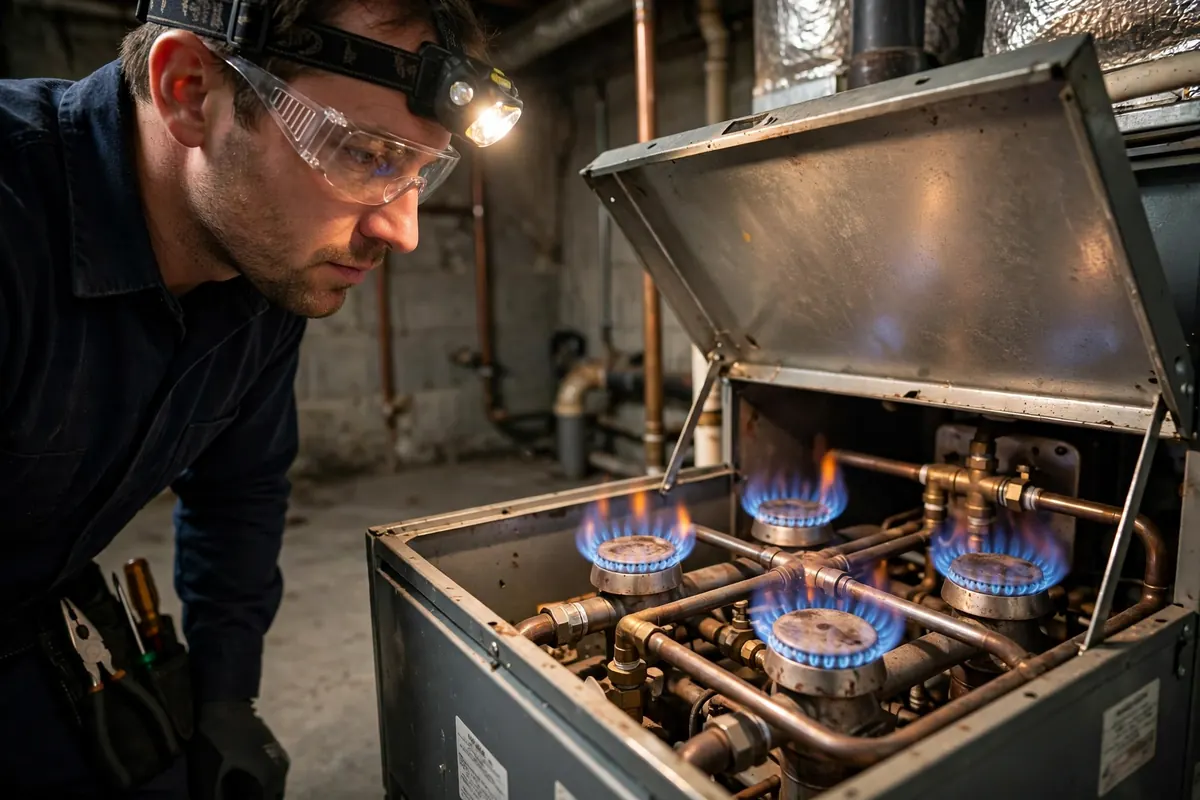
What a Pro Checks: Furnace
Gas furnaces add one risk that cooling systems don't: combustion. This is the part of fall prep you don't DIY.
- Heat exchanger inspection. We look for cracks or corrosion that could let carbon monoxide into your air stream. This is the single most important safety check of the visit.
- Burner and ignition testing. Dirty burners and weak ignitors cause delayed ignition, rollout, and no-heat calls. We clean and test them so the furnace lights cleanly every time.
- Gas pressure and combustion analysis. Proper pressure and clean combustion mean safe, efficient heat. We verify both rather than assuming last year's settings still hold.
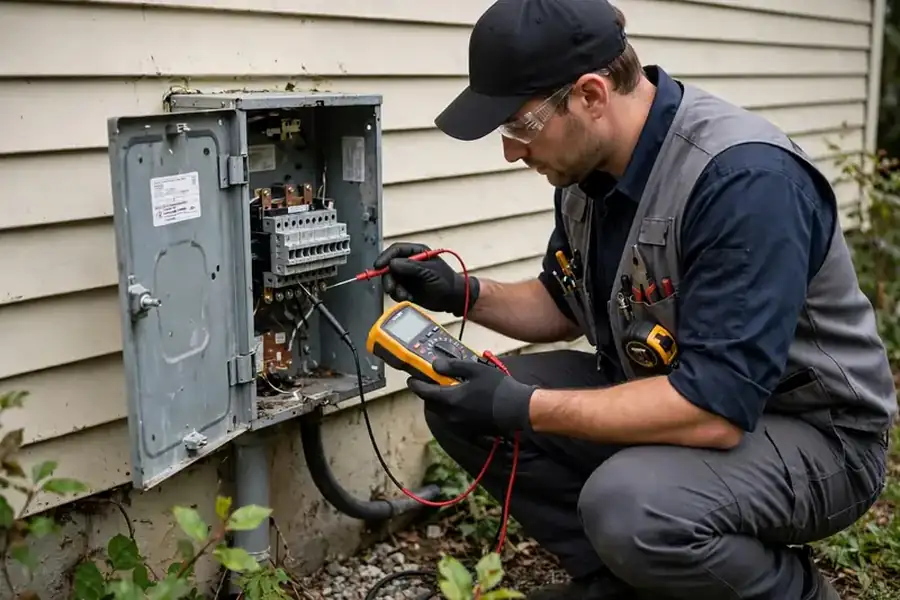
- Blower and electrical components. Motors, capacitors, and safety switches get tested under load, because the first real cold snap is exactly when weak parts give up.
- Flue and venting check. Blocked or corroded venting can push exhaust back into the home. We confirm the furnace is breathing out properly.
What a Pro Checks: Heat Pump
Heat pumps are the year-round workhorses of Brentwood: many homes here heat and cool with the same system. Fall prep keeps the heating side ready.
- Defrost cycle verification. In cold, damp weather the outdoor coil ices up, and the defrost cycle melts it off. If defrost isn't working, the system ices over and heating capacity collapses.
- Refrigerant charge confirmation. A heat pump low on refrigerant heats weakly and ices up faster. We check charge and hunt for leaks instead of just topping off.
- Auxiliary heat test. The electric backup strips only kick in on the coldest nights. Exactly when you'd discover they were dead. We test them before you need them.
- Outdoor coil cleaning. Summer grime on the outdoor coil hurts heating performance just as much as cooling. We clean it while the weather is still cooperative.
- Thermostat and reversing valve check. We confirm the system switches cleanly between heating and cooling modes and that the thermostat is calling for the right stages.
Your Questions, Answered
When should I get my furnace or heat pump serviced in the fall?
September or October is the sweet spot in Middle Tennessee. That gives you time to fix anything before the first real cold snap, and technicians are far easier to schedule than they are once no-heat calls pile up in December and January.
Is there a burning smell the first time I run the heat each fall?
A brief dusty smell the first time the furnace fires up is normal: it's dust burning off the heat exchanger. It should fade within an hour. If the smell is strong, lasts longer, or smells like gas or rotten eggs, shut the system down and call us right away.
Do heat pumps need different fall maintenance than furnaces?
The basics overlap: clean filters, clear outdoor unit, thermostat check. Heat pumps additionally need their defrost cycle verified, refrigerant charge confirmed, and backup heat strips tested, because a heat pump that can't defrost will struggle through a cold snap.
Should I replace my furnace filter before winter?
Yes. Heating season pushes a lot of air through that filter, and a clogged one restricts airflow, strains the blower, and can trip the high-limit switch on a furnace. Start winter with a fresh filter and check it monthly.
What does a professional fall heating tune-up include?
For a furnace: heat exchanger inspection, burner and ignition check, gas pressure and combustion safety check, blower and electrical testing. For a heat pump: refrigerant charge, defrost cycle, auxiliary heat test, and airflow measurement. Either way, you get a plain-language report before any work is done.